4 Oct 2026
Regional Licensing Shifts and Their Role in Expanding Specialized Game Provider Catalogs on Cross-Platform Mobile Interfaces
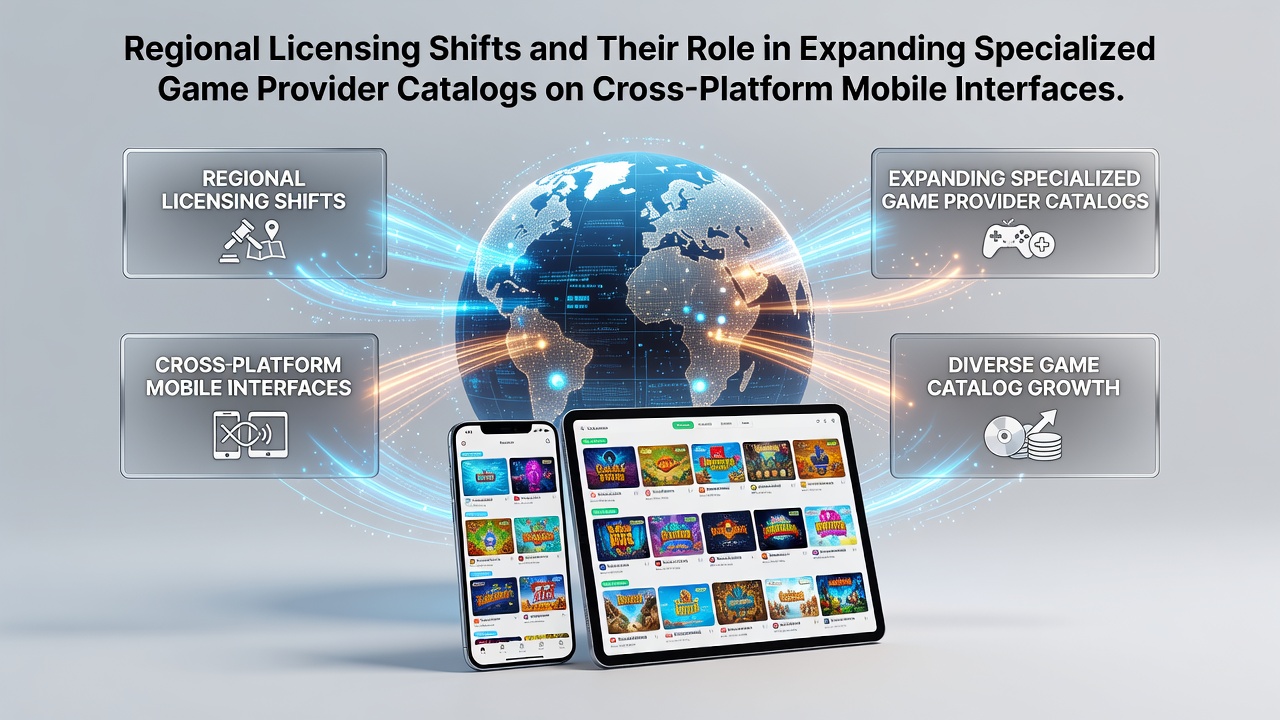
Data from multiple jurisdictions shows that adjustments to licensing requirements across regions have opened pathways for specialized game providers to integrate their offerings into cross-platform mobile interfaces and these changes often coincide with updates to compliance standards that prioritize interoperability between operating systems. In October 2026 several regulatory bodies released reports detailing how revised approval processes allowed niche developers to secure multi-territory access without separate full applications in each market.
Core Mechanisms Behind Licensing Adjustments
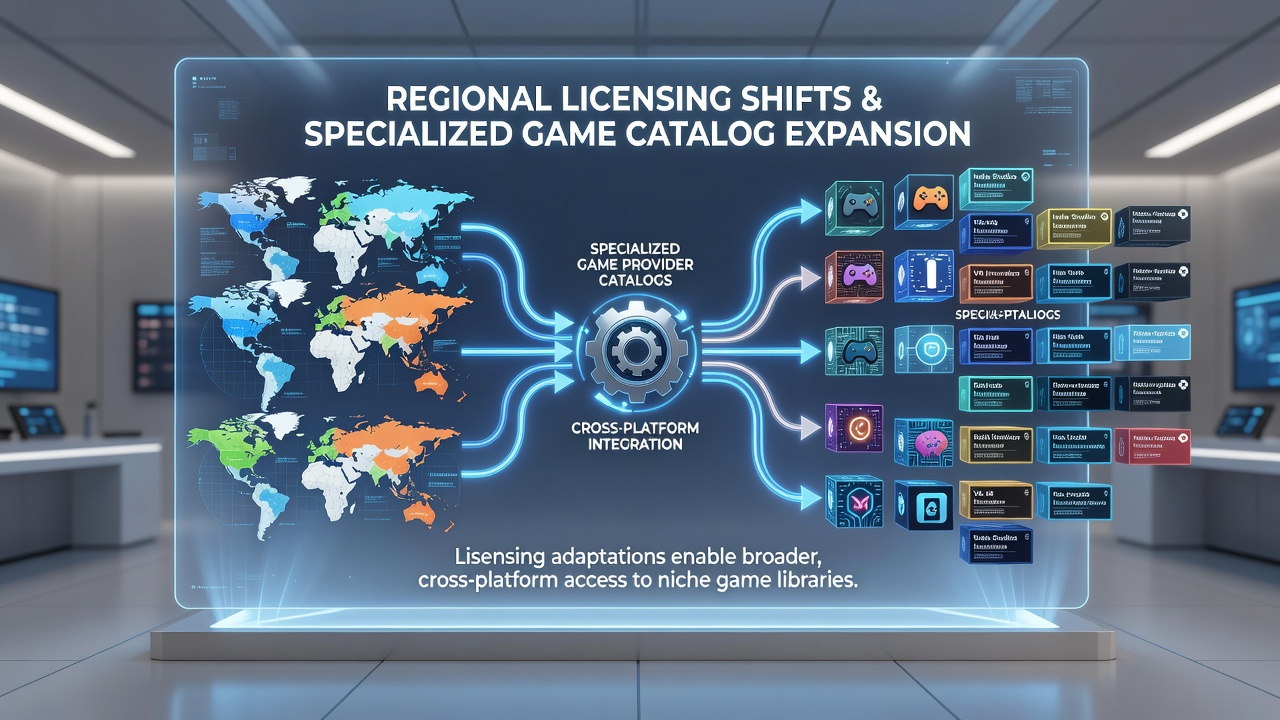
Regulatory frameworks in various areas now emphasize mutual recognition agreements between neighboring jurisdictions and this approach reduces duplication for providers who focus on particular game types such as live dealer variants or branded slot mechanics. Those who have tracked these developments note that streamlined verification steps for mobile compatibility testing have become standard in updated license applications while data from industry associations indicates faster rollout timelines for new titles once initial regional approval is granted.
Observers point to the role of standardized technical audits that cover both Android and iOS environments simultaneously and such audits address security protocols alongside payment integration requirements. Research from academic institutions highlights how these combined evaluations cut down on redundant submissions that previously delayed specialized catalog additions by several months at a time.
Effects on Specialized Provider Participation
Specialized game providers have gained entry into broader mobile ecosystems following the relaxation of certain exclusivity clauses that once limited catalog sharing across platforms. Figures released by European regulatory networks show an increase in approved providers operating under streamlined multi-region licenses and this expansion has particularly benefited developers concentrating on niche themes or advanced RNG variations suited for portable devices.
One documented case involved a provider specializing in augmented reality table games that secured licensing in three separate regions within a single review cycle after demonstrating cross-platform functionality through unified testing protocols. Such examples illustrate how licensing shifts facilitate quicker catalog growth without compromising oversight mechanisms that remain in place across jurisdictions.
Integration Patterns Across Mobile Ecosystems
Cross-platform mobile interfaces now accommodate larger selections from diverse providers because licensing updates often include provisions for shared application programming interfaces that support seamless updates across devices. Reports from North American gaming authorities detail how these provisions have encouraged providers to prioritize mobile-first development cycles and the resulting catalogs reflect greater variety in gameplay styles available to users regardless of their operating system preferences.
Industry data compiled by trade organizations reveals that providers operating under updated regional licenses have introduced more modular content packages designed for quick adaptation to different screen sizes and connection speeds. This modular approach aligns with the technical requirements embedded in newer licensing guidelines that stress performance consistency across international networks.
Geographic Variations and Catalog Growth Trends
Regions that adopted coordinated licensing reforms ahead of others have recorded measurable growth in specialized mobile offerings according to comparative analyses published by research centers focused on digital entertainment. For instance adjustments in certain Asian markets allowed providers focused on culturally themed content to expand their presence on cross-platform applications at a faster rate than before and similar patterns appear in emerging regulatory environments that emphasize collaborative compliance reviews.
Additional figures from government oversight bodies in Australia and Canada indicate that providers leveraging these shifts have diversified their portfolios to include interactive elements previously restricted to desktop platforms only and the transition to mobile has been supported by licensing language that explicitly addresses device-agnostic delivery standards.
Conclusion
Regional licensing shifts continue to influence the composition of specialized game provider catalogs available through cross-platform mobile interfaces as evidenced by ongoing regulatory updates and provider activity reports through late 2026. These developments maintain structured oversight while enabling broader access for developers who meet unified technical and compliance criteria across multiple areas. Continued monitoring by regulatory networks and research groups will track how these patterns evolve in subsequent periods.