15 Nov 2026
Mapping User Search Behaviors to Evolving Bonus Structures Across Cross-Border Mobile Gaming Platforms
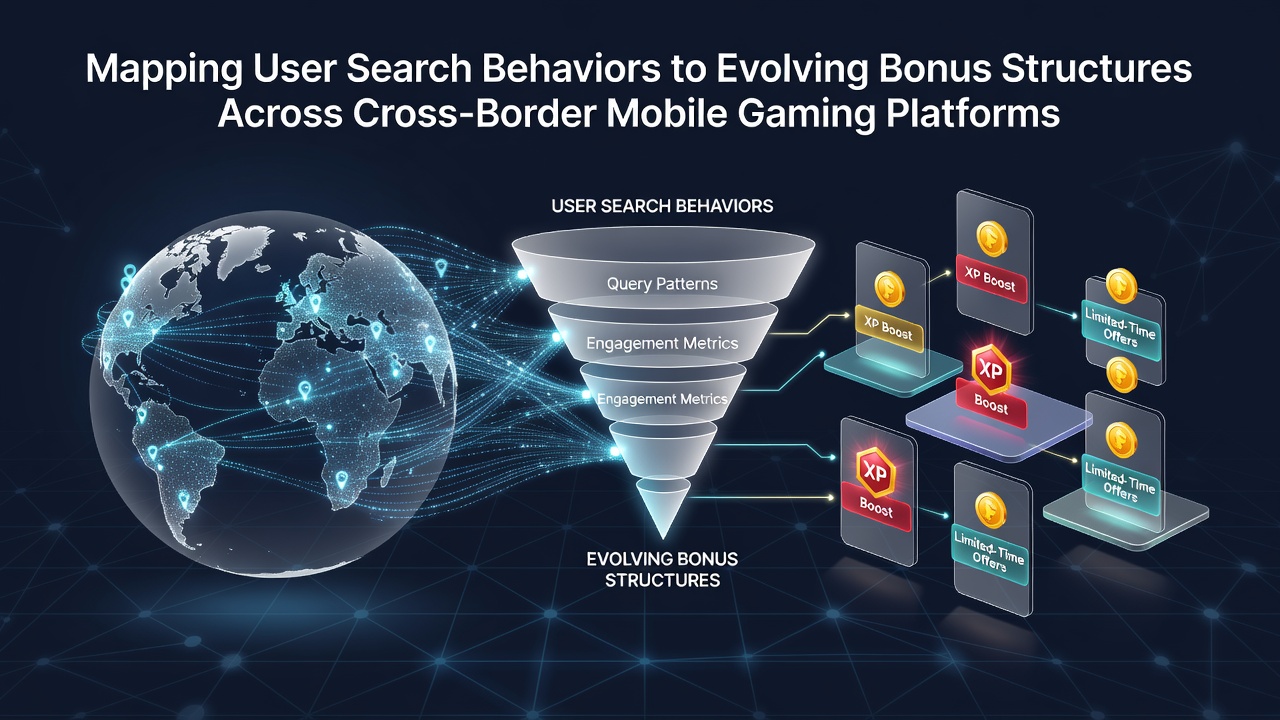
Mobile gaming platforms that span multiple countries track user search patterns to adjust bonus structures in real time, and analysts note that these adjustments often follow spikes in queries for terms like welcome offers or free spin packages. Data collected through late 2026 shows operators in Europe, Asia, and North America refining reward tiers based on aggregated search logs from Android and iOS devices.
Search Query Trends Across Mobile Interfaces
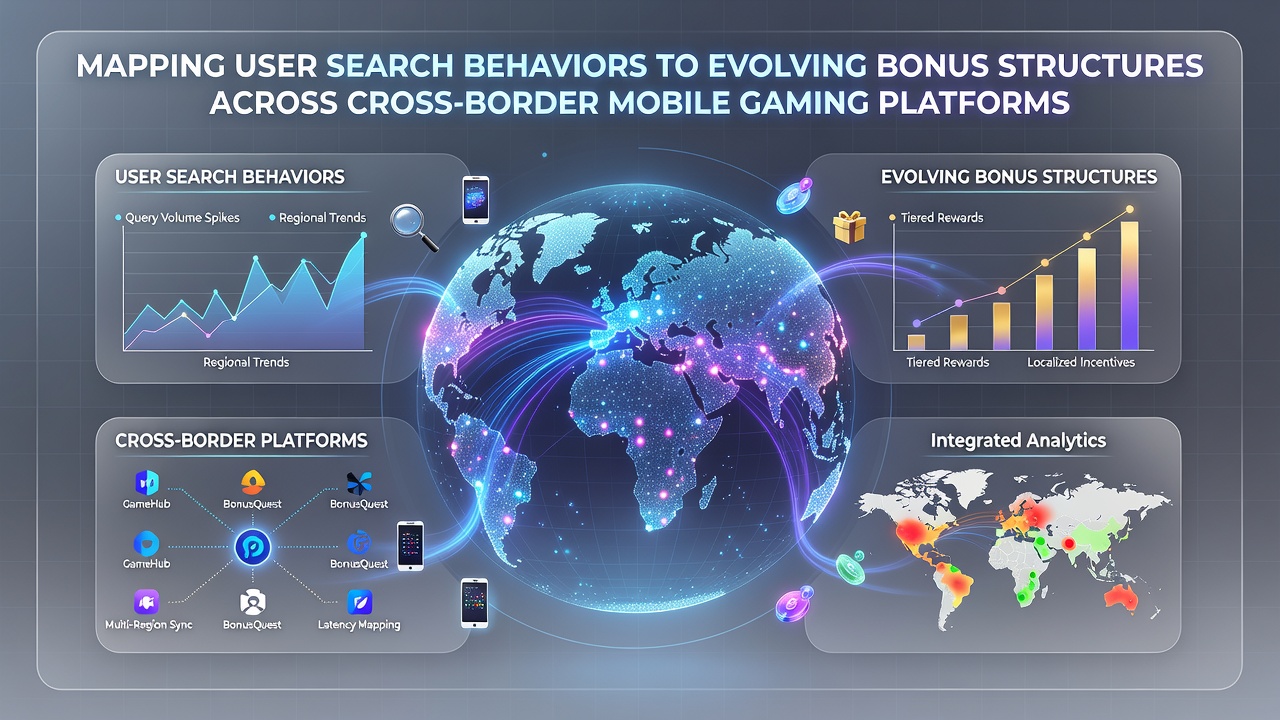
Users on cross-border platforms frequently enter searches that reference specific bonus mechanics, and platform logs reveal clusters around phrases tied to deposit matches or loyalty multipliers. Researchers at academic institutions have compiled datasets indicating that mobile sessions lasting under five minutes produce the highest volume of bonus-related queries, while longer sessions shift toward game-specific terms. In November 2026 several regional operators reported that search volume for reload bonuses rose 18 percent compared with the prior quarter, prompting immediate adjustments to eligibility windows for players in multiple time zones.
How Bonus Structures Respond to Behavioral Signals
Bonus frameworks evolve when internal analytics link search frequency to conversion rates, and operators now deploy algorithms that raise or lower maximum bonus amounts according to regional query density. For instance, platforms serving both the European Union and Southeast Asian markets adjust cashback percentages after observing increased searches for “no wagering” conditions in one jurisdiction versus another. Studies from the European Gaming and Betting Association demonstrate that such responsive changes maintain player retention without altering core game mathematics.
Cross-Border Regulatory Influences on Data Mapping
Regulatory frameworks in different jurisdictions require distinct handling of user data used for bonus personalization, and operators must segment search logs accordingly. Canadian regulators, through the Canadian Centre for Gaming Research, have published guidelines that limit how cross-border platforms combine search data from domestic and international users. Meanwhile, Australian state authorities track similar mappings to ensure bonus promotions comply with local advertising standards, creating layered compliance layers that influence how quickly structures can change.
Platforms integrate these constraints by applying geofenced filters to search analytics before any bonus modification occurs. Observers note that this segmentation prevents unintended violations while still allowing operators to respond to emerging query patterns within days rather than weeks.
Technical Mapping Methods Employed by Operators
Data scientists apply clustering techniques to group search terms with subsequent bonus claims, and machine learning models then predict which bonus variants will generate the strongest response in each market. These models incorporate variables such as device type, session time, and prior interaction history while remaining compliant with data protection rules across borders. Reports issued in November 2026 by industry research groups highlighted that platforms using these methods achieved measurable alignment between search intent and bonus uptake rates.
One documented case involved a platform operating in both Nordic countries and Latin American markets that identified a surge in searches for “daily free spins” originating from mobile users in specific cities. The operator responded by introducing localized daily bonuses with adjusted validity periods, and subsequent search logs showed reduced bounce rates on the bonus claim page.
Seasonal and Event-Driven Shifts in Query Behavior
Search volumes fluctuate around holidays and major sporting events, and operators map these spikes to temporary bonus structures that reflect regional preferences. Data from 2025 and 2026 indicates that platforms serving multiple continents now pre-load seasonal bonus templates based on historical query patterns rather than reacting after the fact. This forward mapping reduces latency between observed behavior and structural change.
Conclusion
The practice of mapping user search behaviors to bonus structures continues to mature as cross-border mobile gaming expands, with operators relying on segmented analytics to meet both player expectations and regulatory requirements. Continued refinement of these methods depends on access to compliant datasets and ongoing collaboration between technical teams and regional oversight bodies.